Protein Check/learn/low protein signs
What are the signs you're not eating enough protein?
By Raj Lakhani · Published June 14, 2026 · 1 min read
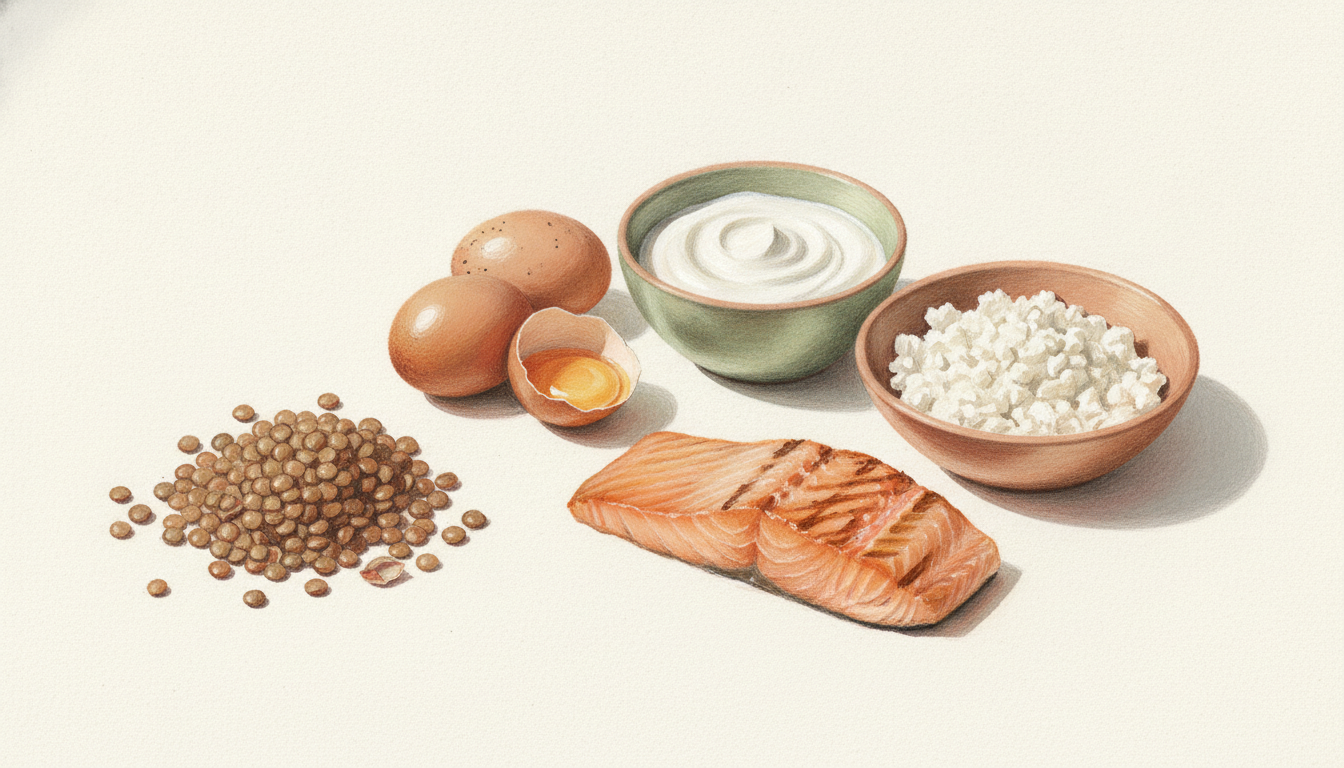
Constant hunger, slow workout recovery, stalled muscle growth, thinning hair, weak nails, or frequent illness indicate insufficient protein intake. Active adults should target 1.6 grams of protein per kilogram of body weight daily, distributed across meals, to prevent these symptoms.
- 1.6 g/kgDaily target for muscle
- 20-40 gPer meal target
Why You're Always Hungry
Constant hunger is a primary indicator of insufficient protein. Protein is the most satiating macronutrient, promoting fullness. Meals lacking adequate protein trigger earlier hunger signals, often leading to cravings for sugary or fatty foods and increased overall intake. You may find yourself snacking soon after meals.
Your Gains Are Gone, Recovery Crawls
Slow workout recovery and stalled progress signal insufficient protein. Protein is essential for muscle tissue repair and growth post-exercise. Persistent soreness or lack of strength/size gains indicates inadequate protein for muscle rebuilding. Insufficient protein impairs muscle adaptation, leading to weakness, fatigue, and reduced physical recovery.
Body Basics Breaking Down
Protein is vital for structural integrity and immune function. Thinning, brittle hair or weak, easily broken nails are signs of low protein, as hair and nails are primarily protein-based. Frequent illness also indicates insufficient protein, which impairs antibody and immune cell production, weakening immune response.
Remember: Protein: Your body's essential building block.
Related guides
Want to know how much protein is actually on your plate? Snap a photo and the free Protein Check estimates the protein and leucine in seconds — no signup.
How much protein do I need?
Active adults targeting muscle maintenance or growth should aim for 1.6 grams of protein per kilogram of body weight daily. Distribute 20-40 grams per meal throughout the day to maximize muscle protein synthesis.
Can I get enough protein from plants?
Yes, with planning. Plant-based sources like lentils (~9 g/half-cup), firm tofu (~9 g/100g), beans, nuts, and seeds provide ample protein. Combine different plant sources daily to ensure all essential amino acids.
Is it possible to eat too much protein?
For healthy individuals with normal kidney function, very high protein intake is generally safe. The primary concern is consuming excess calories, which can lead to weight gain, rather than protein toxicity.
Sources
- International Society of Sports Nutrition — protein & exercise position stand
- MedlinePlus (U.S. National Library of Medicine) — Dietary proteins
Written by Raj Lakhani, who builds Protein Check. Researched with AI assistance and fact-checked against the public, authoritative sources listed above — see how these guides are made. General information, not medical or dietary advice. Numbers are estimates; talk to a professional for advice specific to you.