Protein Check/learn/leucine threshold
What is the leucine threshold for muscle growth?
By Raj Lakhani · Published June 14, 2026 · 1 min read
The leucine threshold for muscle growth is 2.5 grams per meal for younger adults. Older adults require 3 grams per meal to maximize muscle protein synthesis.
- 2.5 gYounger adult leucine
- 3 gOlder adult leucine
- 20-40 gTypical protein per meal
Leucine: The MPS Trigger
Leucine is the specific amino acid that triggers muscle protein synthesis (MPS). Insufficient leucine intake limits muscle repair and growth, even with adequate total protein.
Achieving Leucine Targets with Whole Foods
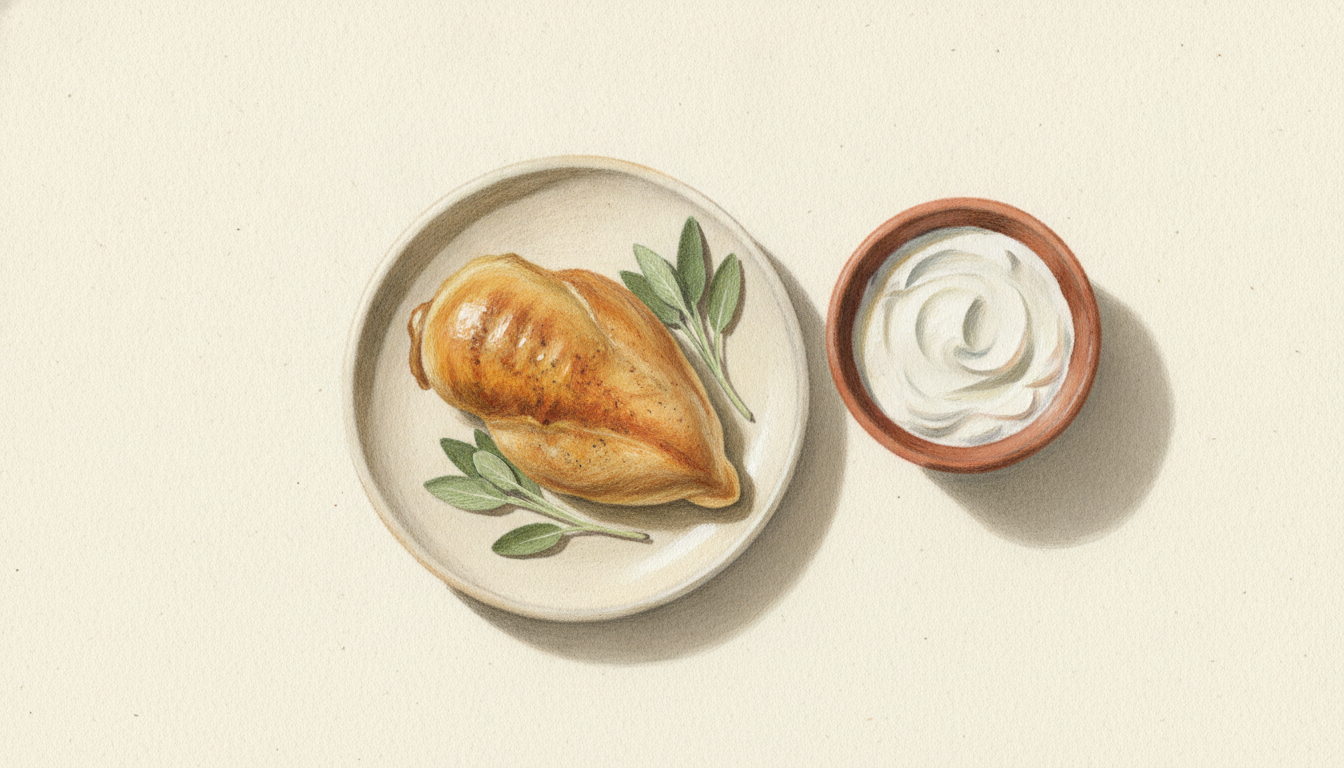
Targeting 20-40 grams of high-quality protein per meal typically meets the leucine threshold. A 4-ounce chicken breast provides 31 grams of protein and 2.5 grams of leucine. One cup of Greek yogurt (20g protein) plus a scoop of whey protein delivers 3 grams of leucine. Consistent, adequate protein intake across meals ensures threshold achievement.
Increased Leucine for Older Adults
Aging muscles exhibit anabolic resistance, requiring a higher leucine dose. Younger adults meet the threshold at 2.5 grams; individuals over 50 need 3 grams of leucine per meal to maximize muscle protein synthesis.
Remember: Hit your leucine target, build more muscle.
Related guides
Want to know how much protein is actually on your plate? Snap a photo and the free Protein Check estimates the protein and leucine in seconds — no signup.
Can I just take leucine supplements?
You could, but it's usually unnecessary. Getting your leucine from whole protein sources ensures you're also getting all the other essential amino acids and nutrients needed for overall health and muscle repair. Focus on complete protein meals first.
Does eating more leucine help more?
No. Once the leucine threshold is met, additional leucine does not further boost muscle protein synthesis. Focus on consistency, not excess.
What are good sources of leucine?
Top sources include meat (chicken, beef), fish, eggs, dairy (Greek yogurt, cottage cheese, whey protein), soy, and lentils.
Sources
- International Society of Sports Nutrition — protein & exercise position stand
- MedlinePlus (U.S. National Library of Medicine) — Dietary proteins
Written by Raj Lakhani, who builds Protein Check. Researched with AI assistance and fact-checked against the public, authoritative sources listed above — see how these guides are made. General information, not medical or dietary advice. Numbers are estimates; talk to a professional for advice specific to you.